
The Wiggins Medical Kerrison rongeur blog
Welcome to the Kerrison rongeur blog from Wiggins Medical, the Home of the Original Black Kerrison. We write for the surgeons, sterile processing techs and purchasing teams who use and care for our instruments every day, with plain spoken guides on choosing, cleaning, inspecting and maintaining Kerrisons and the rest of our spine line.
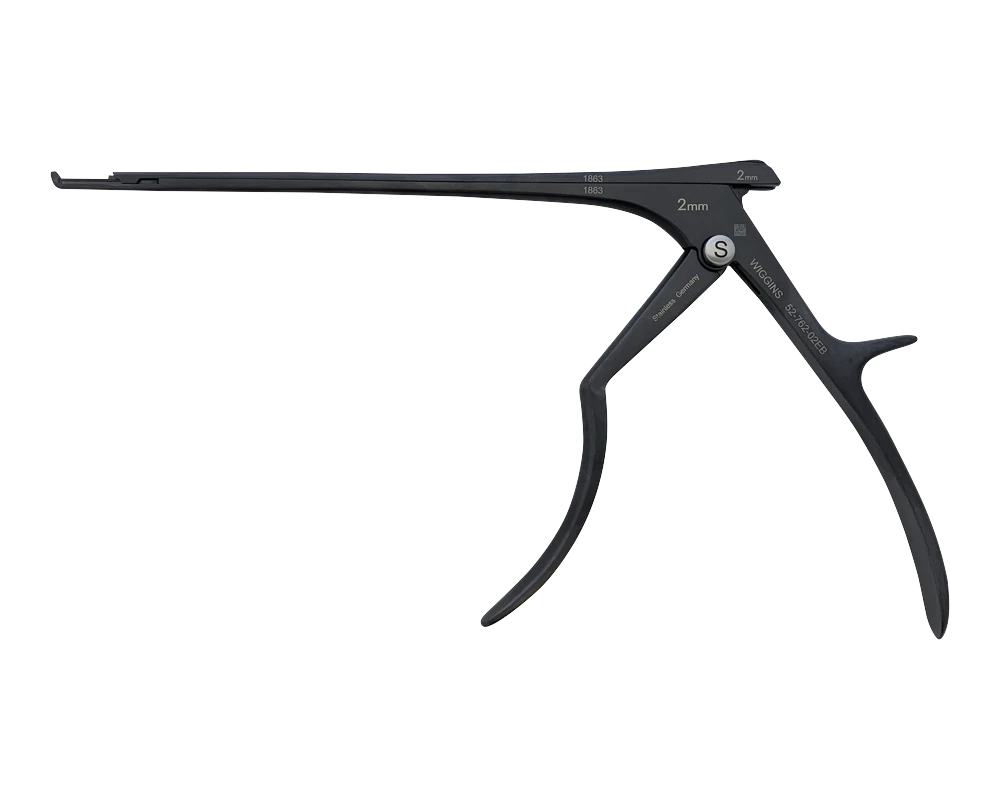
Footplate and Ejector Options
The right footplate and ejector options make a real difference in how a Kerrison handles tight anatomy. Here is how to think about footplate and ejector options for your next tray. Choosing footplate and ejector [...]
Anatomy of a Kerrison
Knowing the anatomy of a Kerrison helps surgeons pick the right instrument and helps sterile processing techs know exactly what to check. Here is the anatomy of a Kerrison, part by part. The anatomy of [...]
Preventative Maintenance
Good Kerrison maintenance is what keeps a tray ready for the next case instead of waiting on a repair. A simple preventative routine, shared between the OR and sterile processing, goes a long way. Building [...]
Lubrication – When and Where?
Kerrison lubrication is one of the simplest steps in reprocessing and one of the easiest to skip. A well lubricated Kerrison opens and closes smoothly, and its moving parts wear more slowly. Here is when [...]
Kerrison Inspection Points During Reprocessing
A careful Kerrison inspection during reprocessing catches small problems before they ever reach the OR. Here is the Kerrison inspection checklist we recommend for every set. Your Kerrison inspection checklist There are four main areas [...]

CEOCFO Magazine Interview with Wiggins Medical CEO Alex Ebner
In this CEOCFO Magazine interview from the July 29, 2019 issue, Wiggins Medical CEO Alex Ebner sat down with senior editor Lynn Fosse to talk about the company and the instruments we make. Click the [...]
Popular topics on our Kerrison rongeur blog
Caring for your Kerrisons
A well kept Kerrison can serve your team for many years. Start with our cleaning and reprocessing guidelines, then walk through the inspection points during reprocessing, learn when and where to lubricate, and set up a preventative maintenance routine your techs can stick to. For the bigger picture on reusable devices, the FDA keeps a helpful page on reprocessing reusable medical devices.
Choosing the right Kerrison
Not every case calls for the same instrument. Our anatomy of a Kerrison post explains each part and what it does, and Kerrison styles covers the main patterns. From there, compare footplate and ejector options, and read up on rotating, curved and detachable Kerrisons, along with the bayonet Kerrison for MIS spine work.
Who reads the Kerrison rongeur blog
Surgeons tend to start with the posts on styles, footplates and curved or rotating shafts, because those choices change how an instrument feels in a tight space. Sterile processing techs head straight for the inspection, lubrication and reprocessing guides. Purchasing and materials managers usually want the big picture: which patterns a department really needs, and how a lifetime warranty with Wiggins repairs keeps the cost of ownership down over the years.
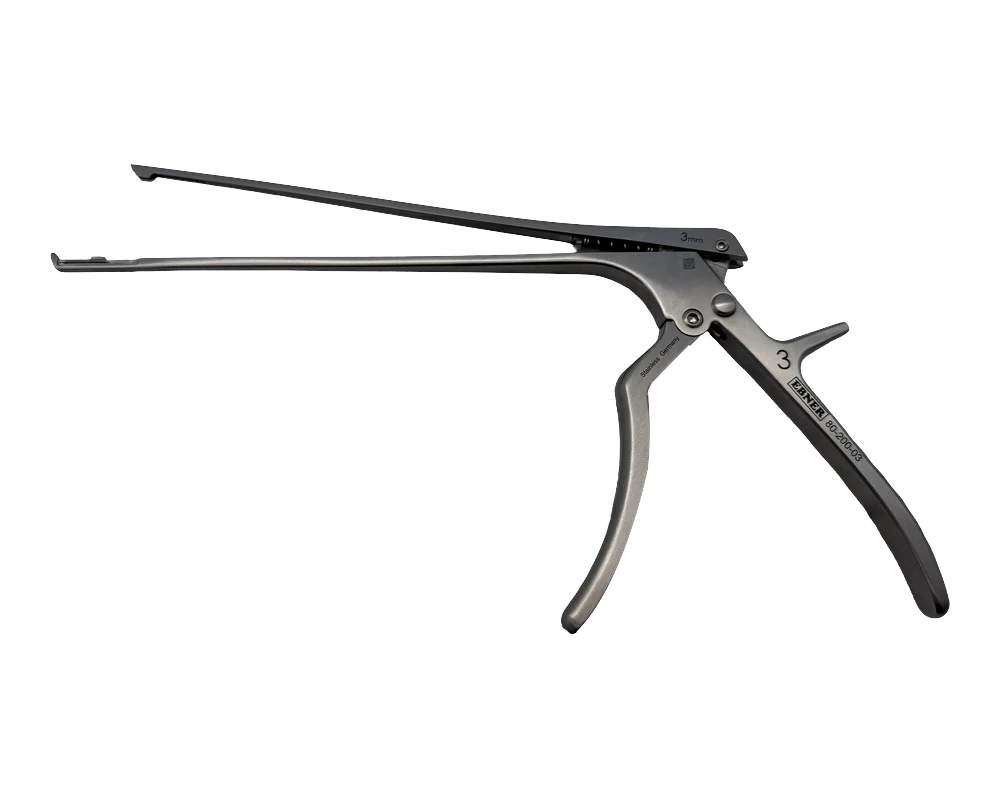
Whichever group you are in, every post on the Kerrison rongeur blog comes from Wiggins Medical, the company that brought the first black Kerrison to the United States in 1993. If something we have written doesn’t match what you see in your own OR or sterile processing department, tell us. We would rather hear about it than have you guess.

News from Wiggins Medical
Every now and then we share company news, like our CEO’s CEOCFO Magazine interview. If there is a topic you would like to see on the Kerrison rongeur blog, drop us a line. We read every note.