
The Wiggins Medical Kerrison rongeur blog
Welcome to the Kerrison rongeur blog from Wiggins Medical, the Home of the Original Black Kerrison. We write for the surgeons, sterile processing techs and purchasing teams who use and care for our instruments every day, with plain spoken guides on choosing, cleaning, inspecting and maintaining Kerrisons and the rest of our spine line.
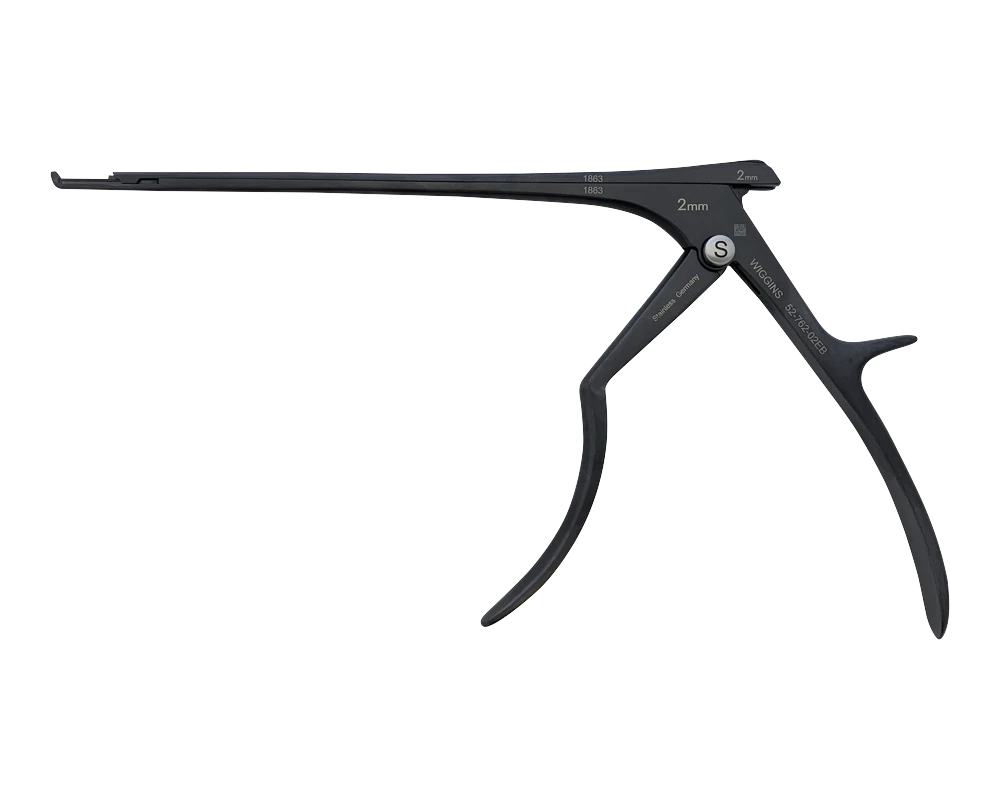
Kerrison Styles
Kerrison styles vary more than most people expect, from the everyday 40 degree up Kerrison to curved, bayonet, rotating and detachable designs. Kerrison styles at a glance Looking for a specific style? Jump to the [...]
Instructions for Use Cleaning and Reprocessing Guidelines
These cleaning and reprocessing guidelines summarize how to care for Wiggins Medical instruments between cases. Always follow the full instructions for use that come with your instruments. Cleaning and reprocessing guidelines at a glance If [...]
Bayonet Kerrison for MIS Spine
The bayonet Kerrison keeps the surgeon's hands out of the line of sight, which makes it a natural fit for minimally invasive spine work. Why the bayonet Kerrison works in MIS spine Minimally invasive spine [...]
Curved Kerrisons
Curved Kerrisons follow the anatomy when a straight shaft will not reach, especially in the foramen and the lateral recess. When to choose curved Kerrisons A specialty Kerrison that surgeons often use are curved kerrisons. [...]
Detachable Kerrisons
Detachable Kerrisons make sterile processing easier, because the instrument comes apart and every channel can be seen and cleaned. How detachable Kerrisons come apart Detachable Kerrisons Detachable Kerrisons are a great tool in the pursuit [...]
Rotating Kerrisons
Rotating Kerrisons give the surgeon more bite angles from a single instrument, which is why so many spine teams keep one in the tray. Why surgeons choose rotating Kerrisons Rotating Kerrisons are incredibly useful tools [...]
Popular topics on our Kerrison rongeur blog
Caring for your Kerrisons
A well kept Kerrison can serve your team for many years. Start with our cleaning and reprocessing guidelines, then walk through the inspection points during reprocessing, learn when and where to lubricate, and set up a preventative maintenance routine your techs can stick to. For the bigger picture on reusable devices, the FDA keeps a helpful page on reprocessing reusable medical devices.
Choosing the right Kerrison
Not every case calls for the same instrument. Our anatomy of a Kerrison post explains each part and what it does, and Kerrison styles covers the main patterns. From there, compare footplate and ejector options, and read up on rotating, curved and detachable Kerrisons, along with the bayonet Kerrison for MIS spine work.
Who reads the Kerrison rongeur blog
Surgeons tend to start with the posts on styles, footplates and curved or rotating shafts, because those choices change how an instrument feels in a tight space. Sterile processing techs head straight for the inspection, lubrication and reprocessing guides. Purchasing and materials managers usually want the big picture: which patterns a department really needs, and how a lifetime warranty with Wiggins repairs keeps the cost of ownership down over the years.
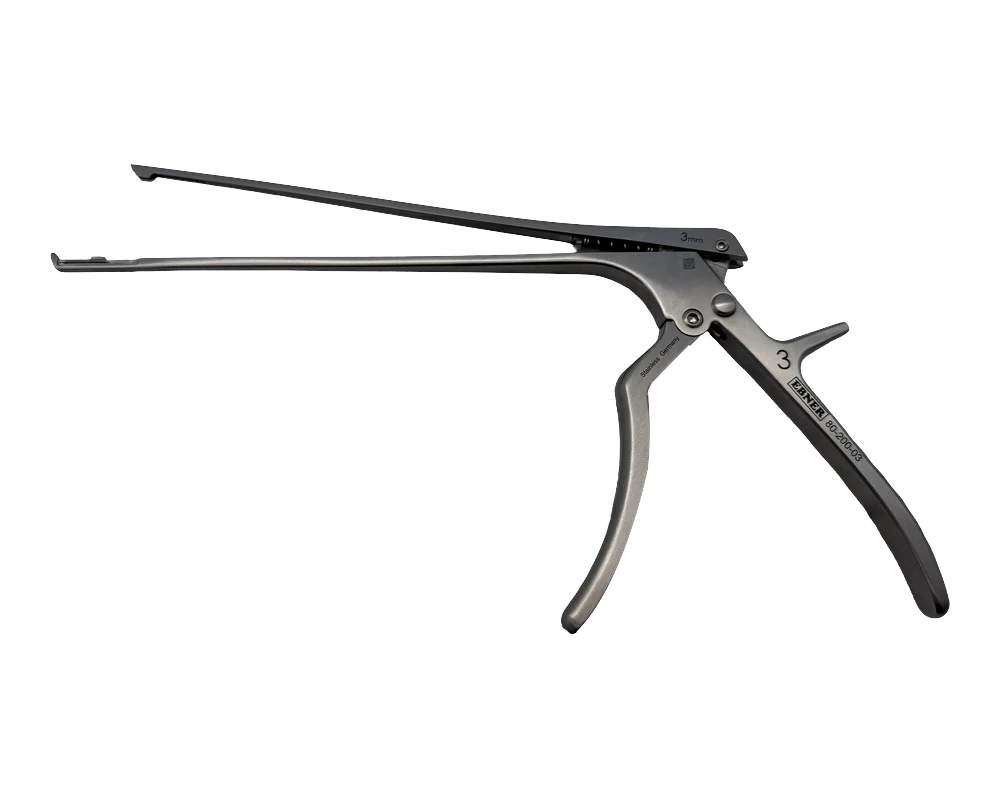
Whichever group you are in, every post on the Kerrison rongeur blog comes from Wiggins Medical, the company that brought the first black Kerrison to the United States in 1993. If something we have written doesn’t match what you see in your own OR or sterile processing department, tell us. We would rather hear about it than have you guess.

News from Wiggins Medical
Every now and then we share company news, like our CEO’s CEOCFO Magazine interview. If there is a topic you would like to see on the Kerrison rongeur blog, drop us a line. We read every note.